Client: SBASE, supported through Crossrail International
Location: Buenos Aires, Argentina
Sector: Urban rail
Services: Traction power modelling, feasibility assessment, operational analysis and upgrade strategy
Project context
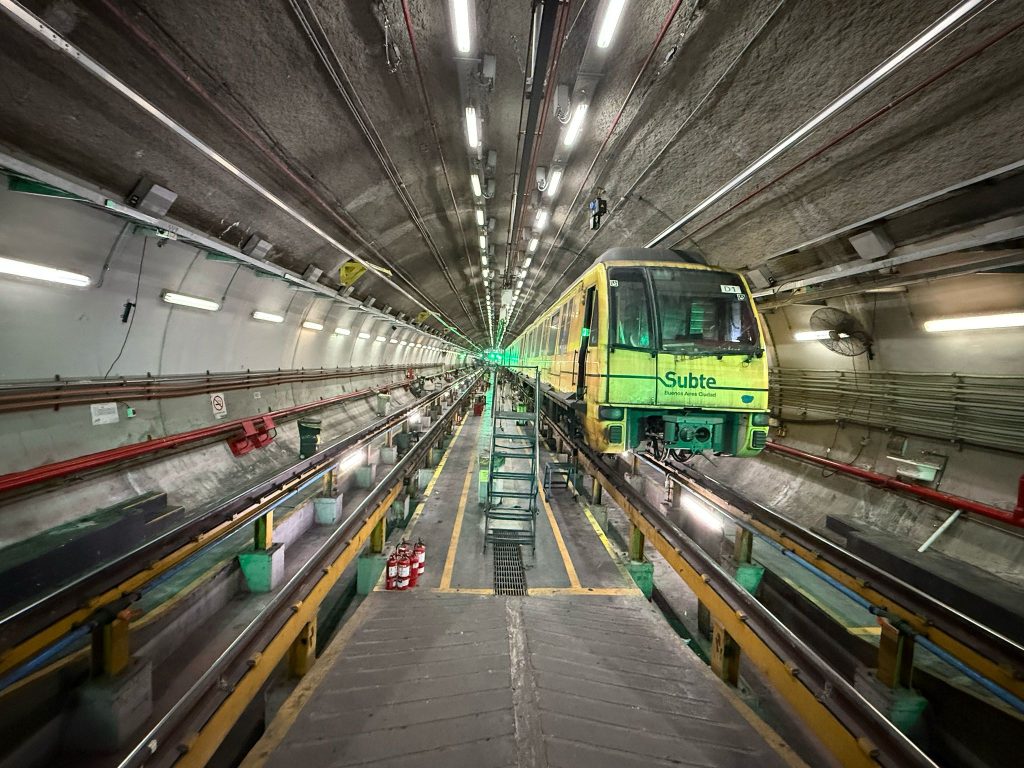
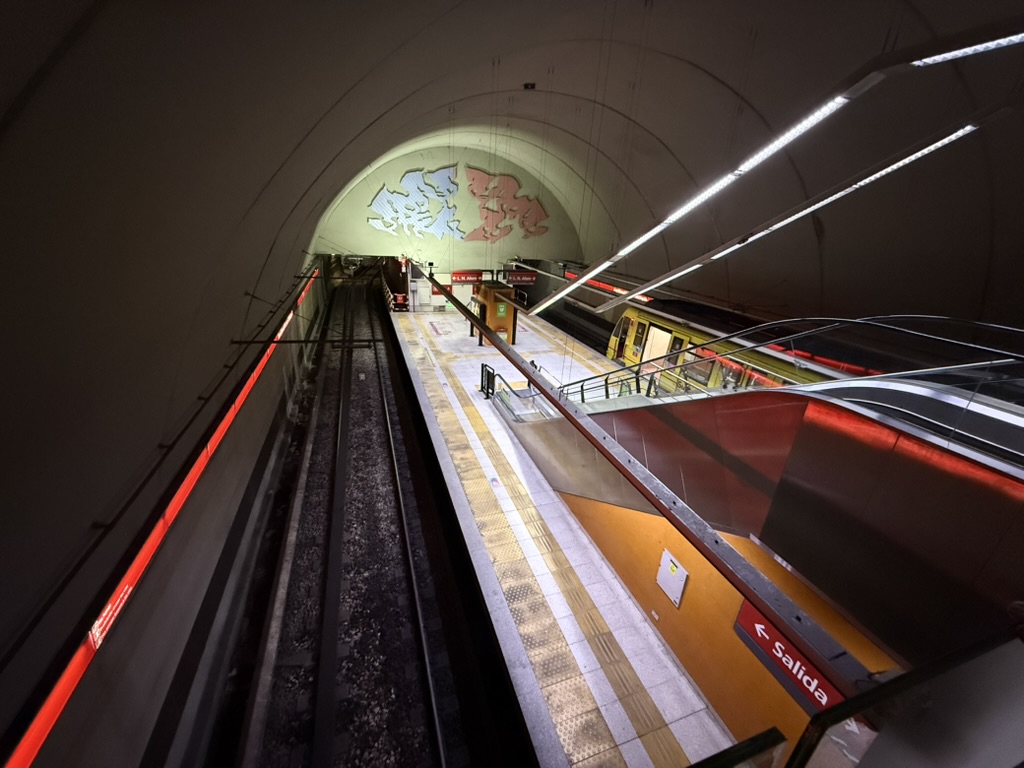
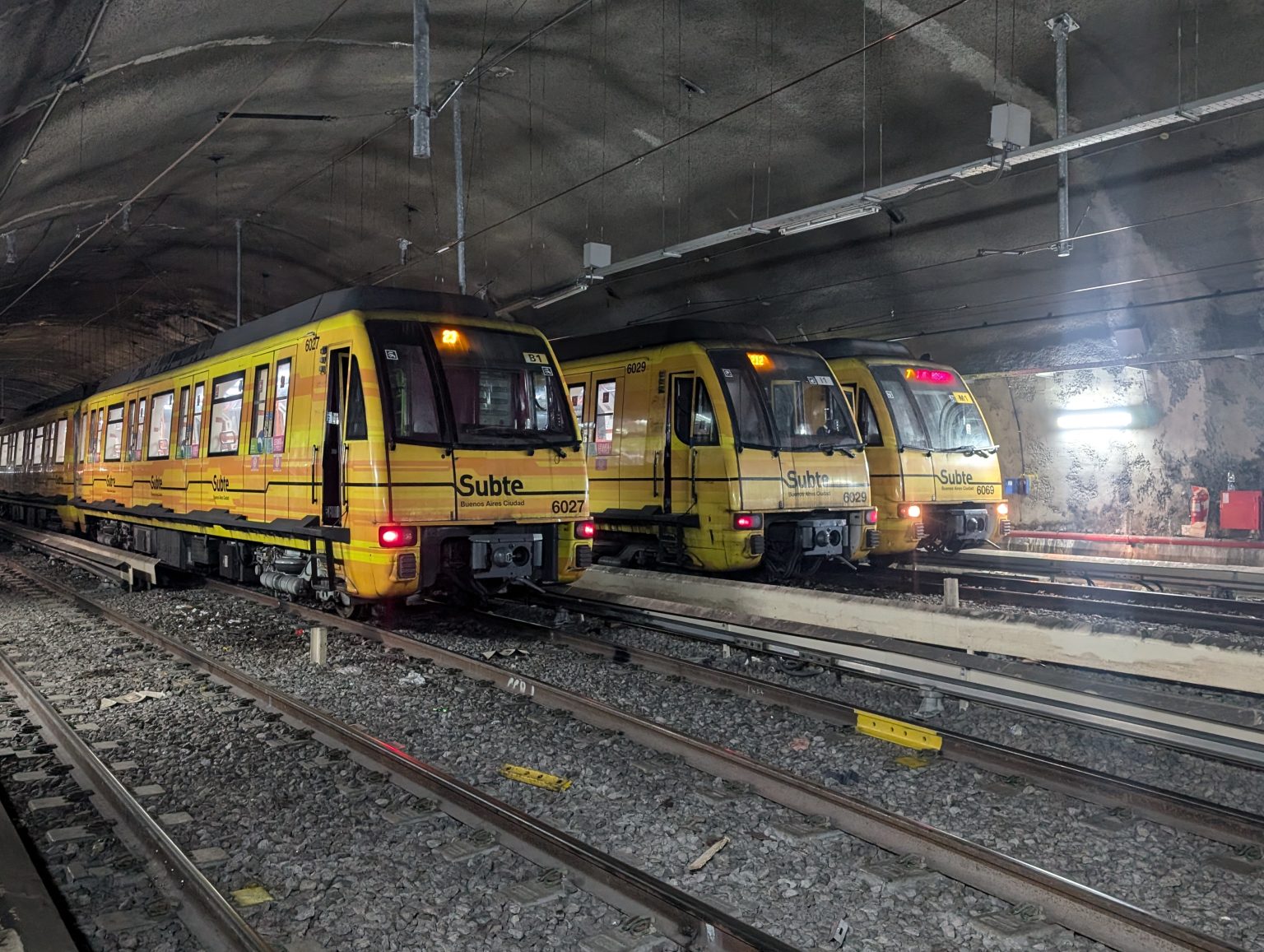
Subterráneos de Buenos Aires S.E. (SBASE) required strategic and technical support to evaluate the proposed upgrade of the traction power system on Buenos Aires Metro Line B. The line is approximately 11.75 km long and carries more than 50 million passengers annually.
The proposed programme involved migration from the existing 600V DC traction power arrangements, incorporating third rail and overhead catenary infrastructure, to a modern 1500V DC overhead catenary system. The upgrade needed to accommodate future operational requirements while addressing the practical constraints associated with modifying a heavily used metro line.
Navitas Engineering’s role
Navitas Engineering was commissioned to provide strategic planning and feasibility support for the proposed upgrade. Working with Crossrail International and SBASE, Navitas developed a comprehensive traction power model and evaluated alternative implementation scenarios to support long-term infrastructure investment and programme-planning decisions.
Navitas’s scope included:
- gathering and reviewing available operational and infrastructure information;
- analysing service demand and rolling-stock deployment;
- modelling the existing and proposed traction power arrangements;
- assessing system performance under a range of future operational conditions;
- evaluating alternative upgrade and construction-staging scenarios;
- considering operational resilience and the potential effect of the works on passenger services; and
- supporting the development of a phased implementation strategy.
Technical approach
Navitas developed detailed modelling tools to assess how the traction power system would perform under different operating conditions and upgrade configurations. The analysis brought together infrastructure characteristics, proposed rolling-stock operation, service requirements and system constraints.
Through scenario analysis, the team assessed alternative approaches to migrating from the legacy 600V DC system to the proposed 1500V DC overhead catenary system. Construction staging and implementation constraints were considered alongside operational requirements, enabling the implications of different delivery strategies to be understood before investment and programme decisions were made.
Deliverables and value provided
The commission provided SBASE and Crossrail International with an evidence base for evaluating alternative infrastructure and delivery strategies. Principal outputs included the traction power model, assessments of future operating and upgrade scenarios, and analysis supporting programme phasing and implementation planning.
The work enabled the client team to compare options using consistent technical and operational evidence, supporting informed decisions about infrastructure investment while considering operational resilience and disruption to passenger services.
Relevant capability demonstrated
The project demonstrates Navitas Engineering’s ability to combine traction power engineering, systems modelling and operational analysis to support strategic decision-making for complex urban rail infrastructure. It also demonstrates experience of assessing legacy-system migration, developing phased upgrade strategies and translating detailed technical analysis into evidence suitable for investment and implementation planning in an international metro environment.